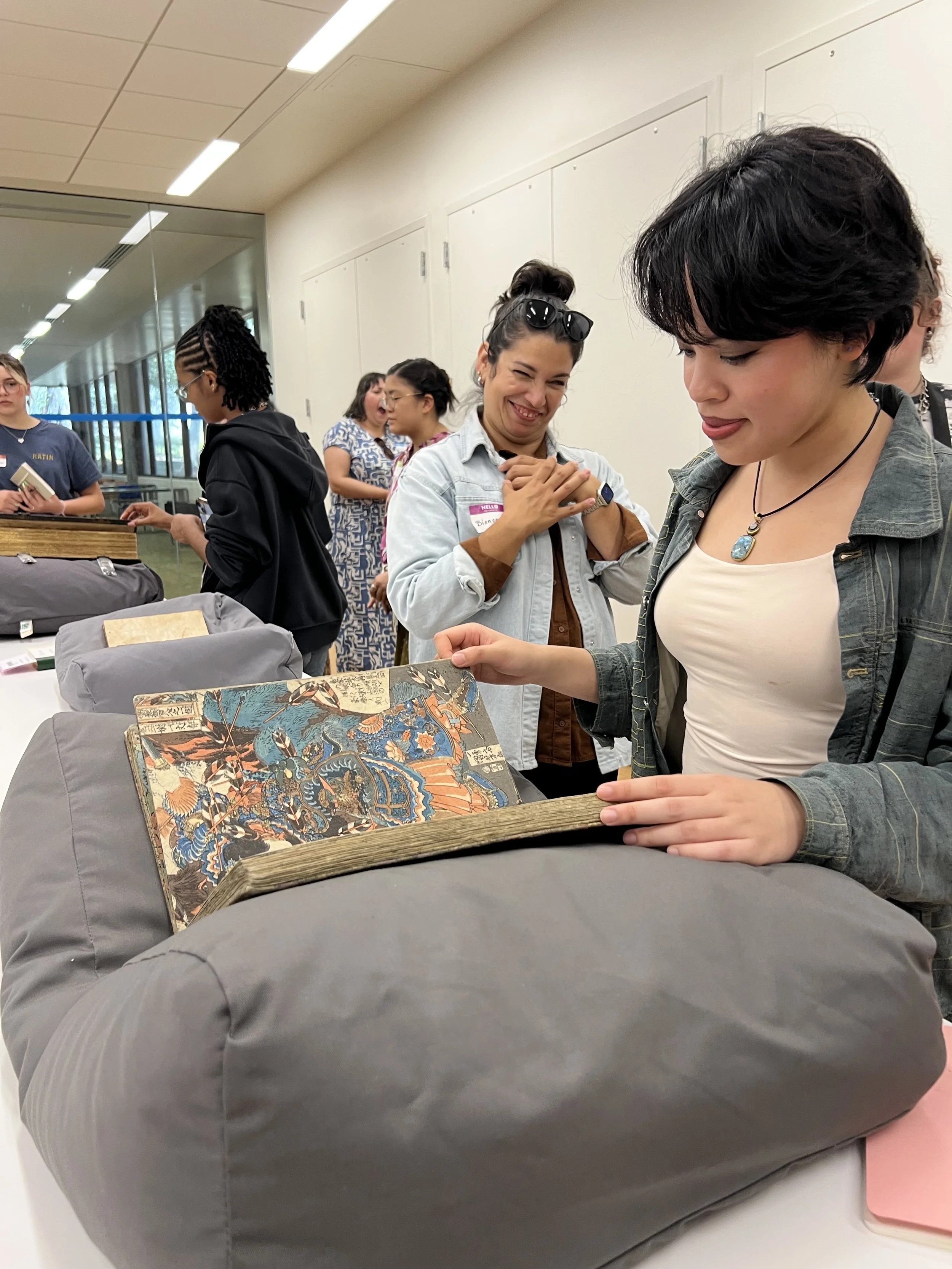
Overview
The Andrew W. Mellon Opportunity for Diversity in Conservation is an initiative administered through the UCLA/Getty Interdepartmental Program in the Conservation of Cultural Heritage. The program supports students and recent graduates from historically underrepresented backgrounds through funded, hands-on workshops and internships, with longer-term mentoring to help build a more diverse conservation field.
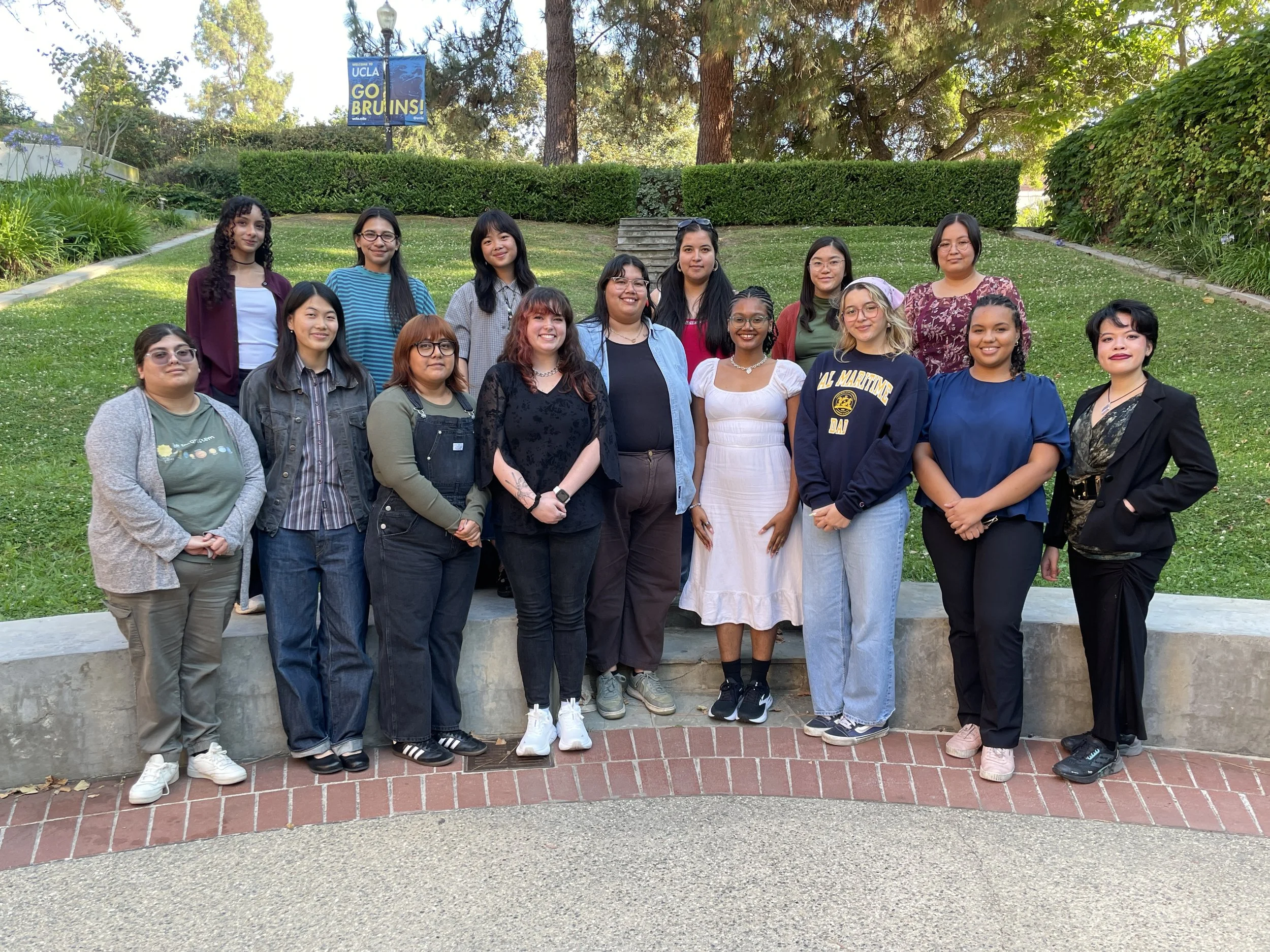
In July, the program’s Summer Workshop runs as a six-day intensive (Sunday to Saturday) designed to provide a comprehensive introduction to cultural heritage conservation. The workshop’s home base is the Getty Villa. In 2025, it was relocated to the Cotsen Center on the UCLA campus, where it used UCLA/Getty laboratory and classroom spaces for instruction and hands-on learning.
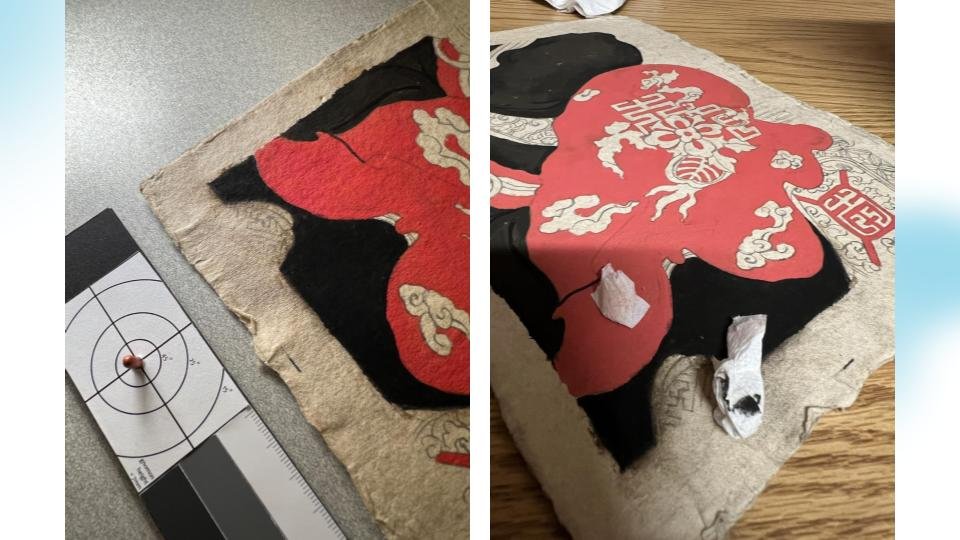
In this workshop, I learned the fundamentals of conservation practice, beginning with ethics and professional values, then progressing to examination, object handling, and writing condition reports. The main project was a week-long assignment that involved object assessment, research, a conservation proposal, and a short presentation. I got hands-on experience with photo documentation, lighting setups, and standard analytical methods. Later sessions covered treatment decision-making, cleaning, loss compensation, preventive conservation, and material identification. The workshop also addressed conservation’s role within broader institutional, cultural, and ethical contexts, with discussions of diversity, career pathways, and advice on graduate school and internships. Site visits to institutions such as the Getty Museum and LACMA, along with programs on Native voices, preservation during crises, and repatriation, highlighted conservation’s connection to communities and institutional responsibility.
Supervised by Bianca Garcia, Nicole Passerotti, Ellen Pearlstein, Lisa Imamura, and Jasmine Keegan.
* All photos are courtesy of the Mellon Workshop or taken by Rylan Nguyen.
Conservation
✳︎
Collaboration
✳︎
Networking
✳︎
Hand Skills
✳︎
Ethics
✳︎
Conservation ✳︎ Collaboration ✳︎ Networking ✳︎ Hand Skills ✳︎ Ethics ✳︎
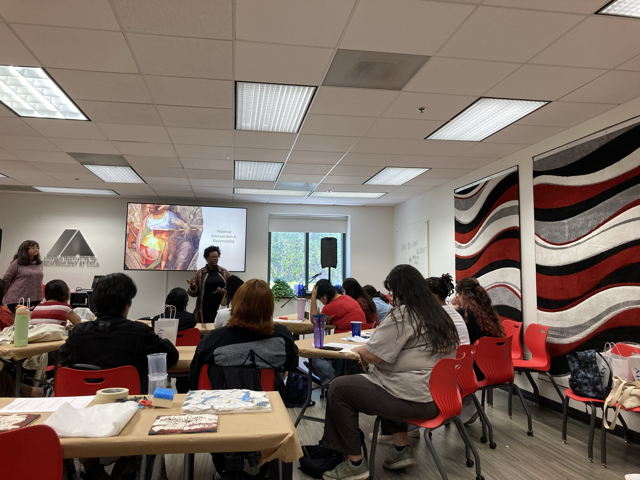
SELECTED LECTURES ON THE FUNDAMENTALS OF CONSERVATION
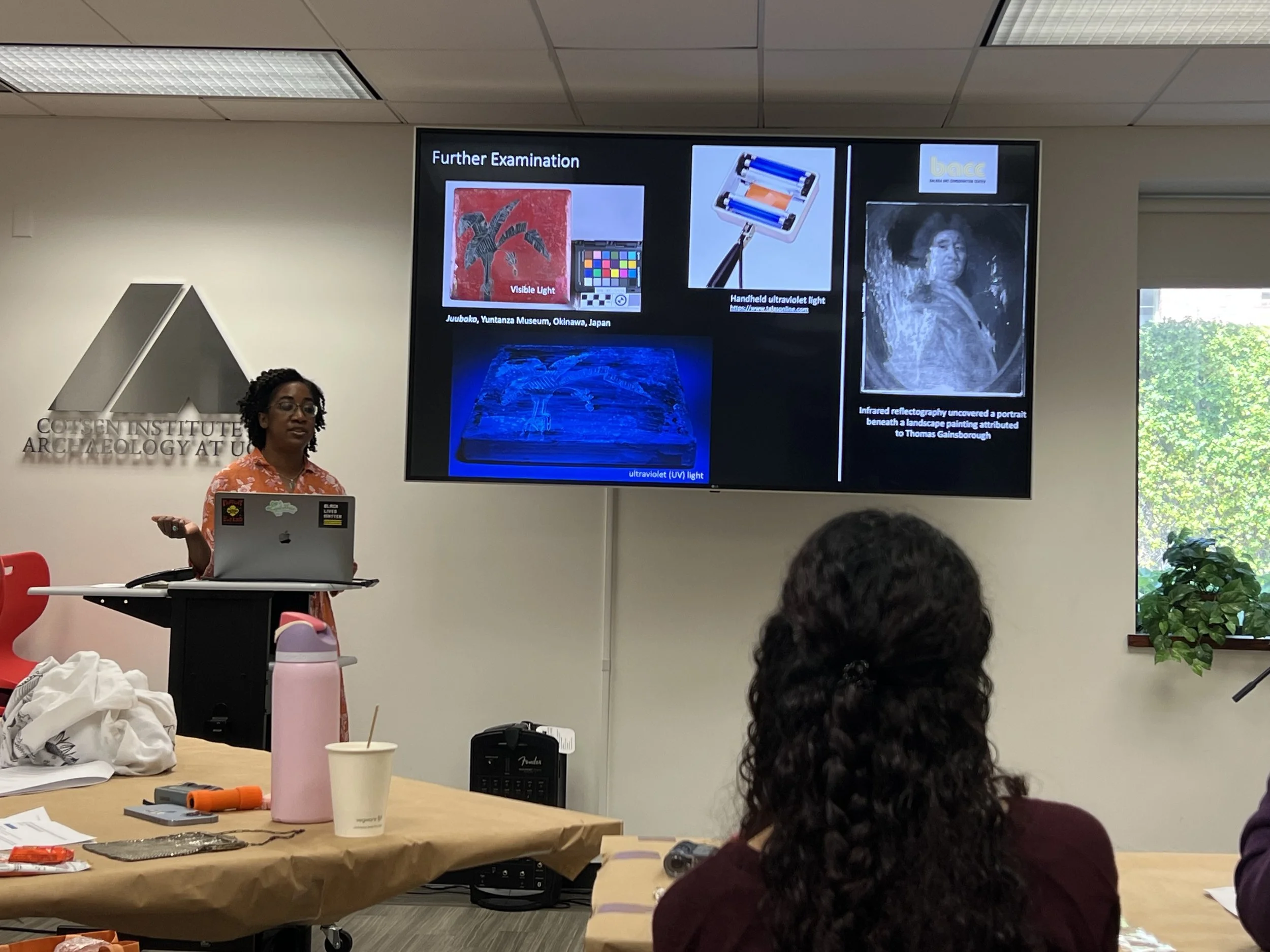
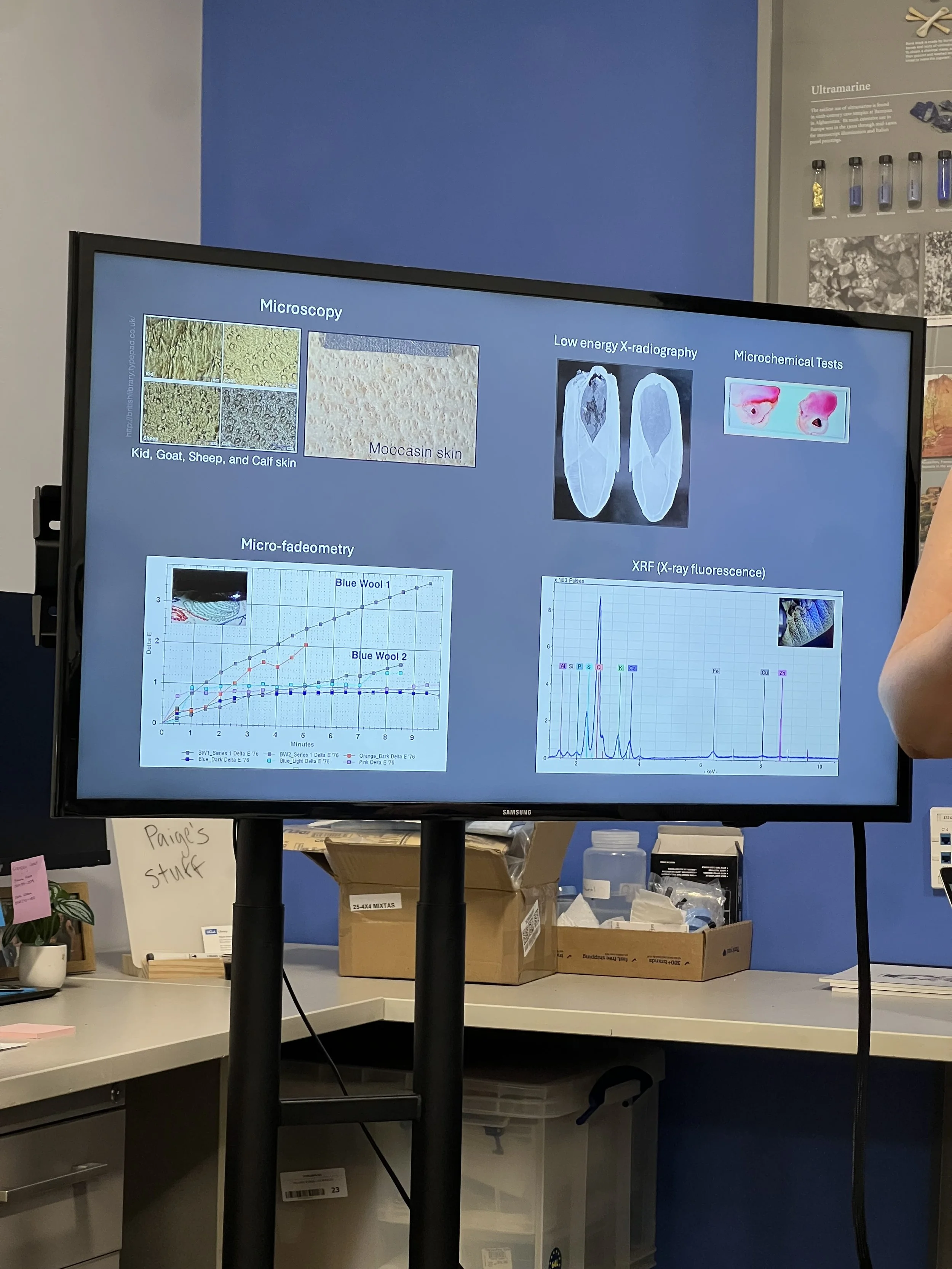
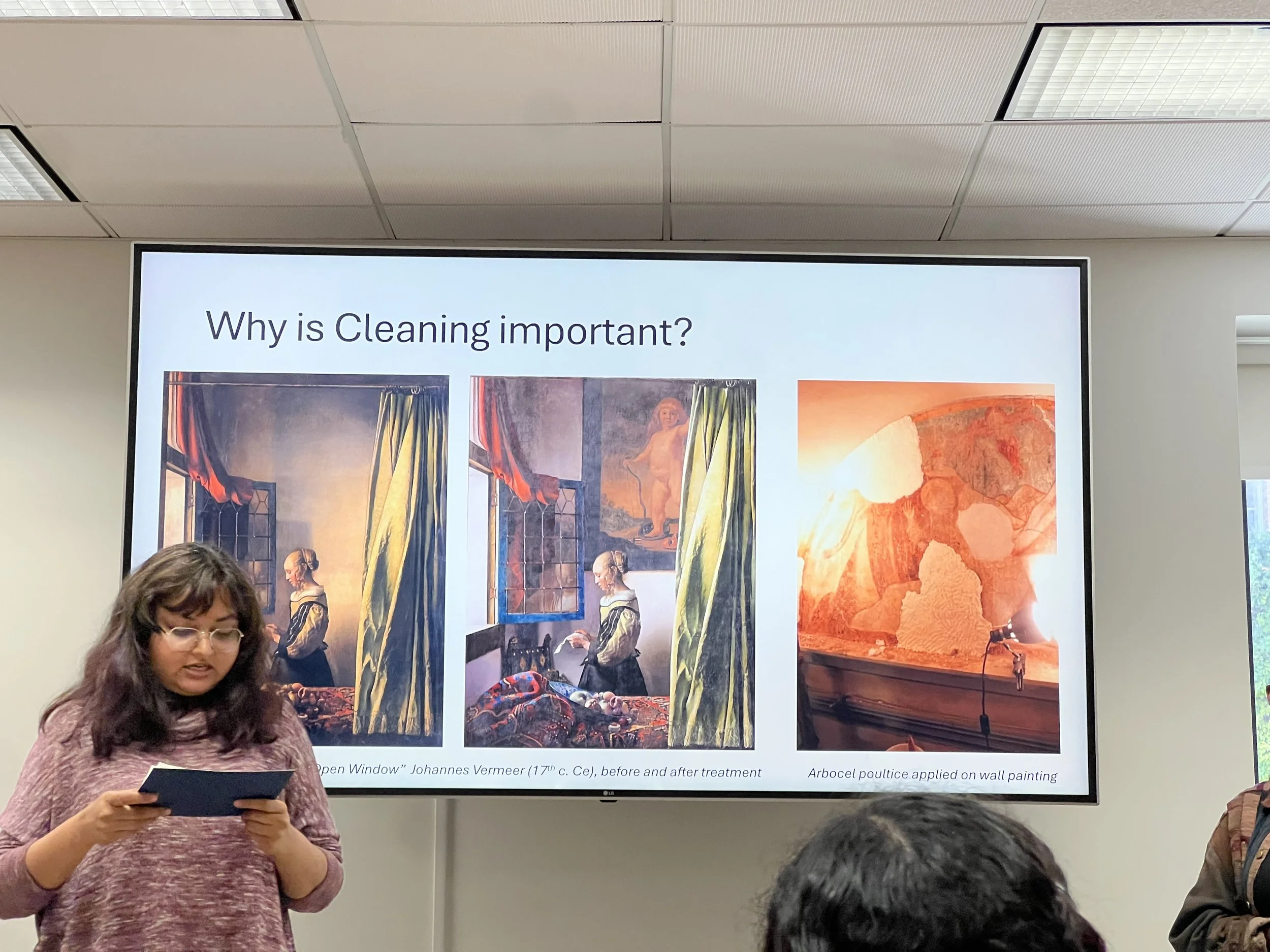
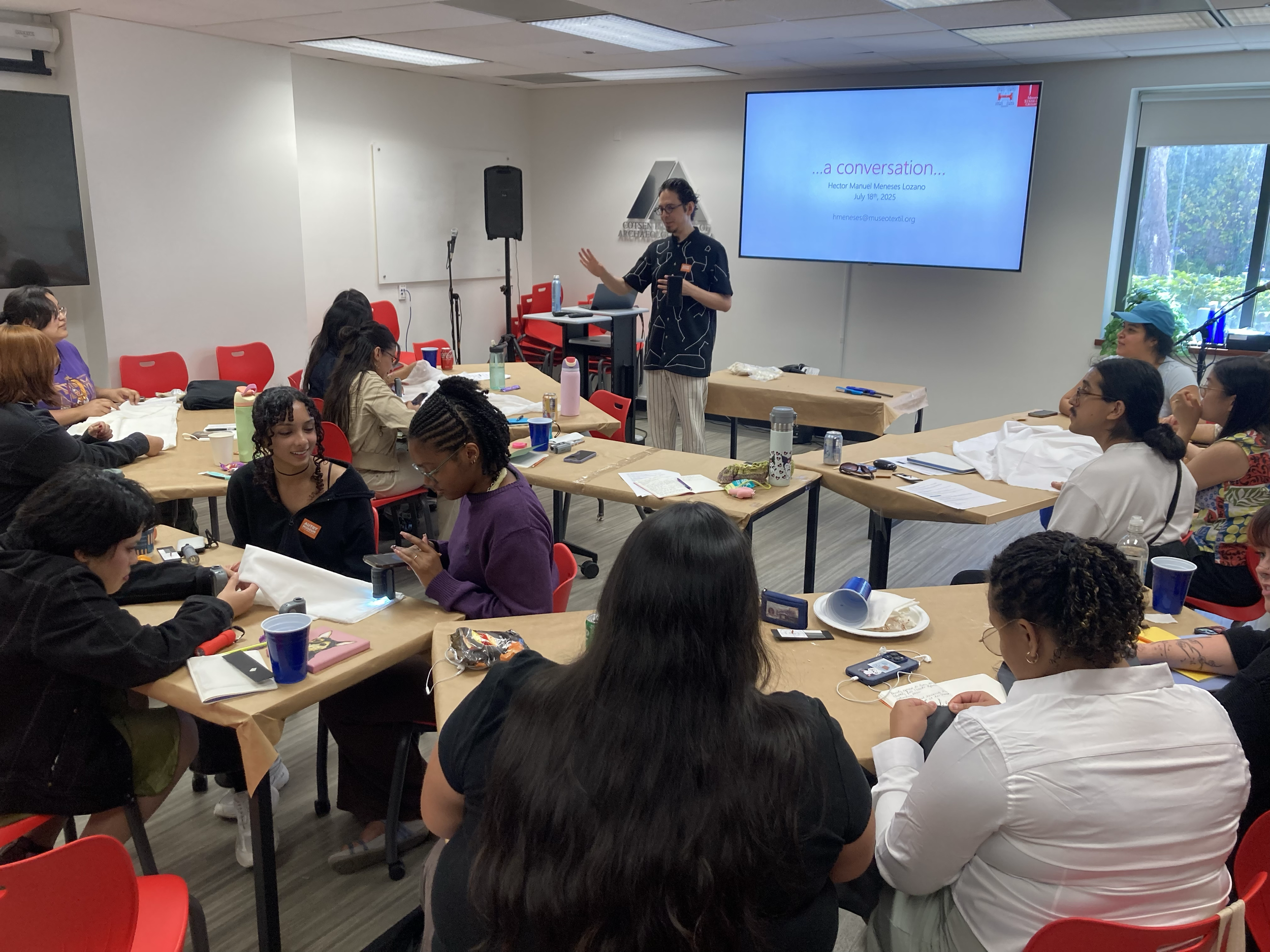
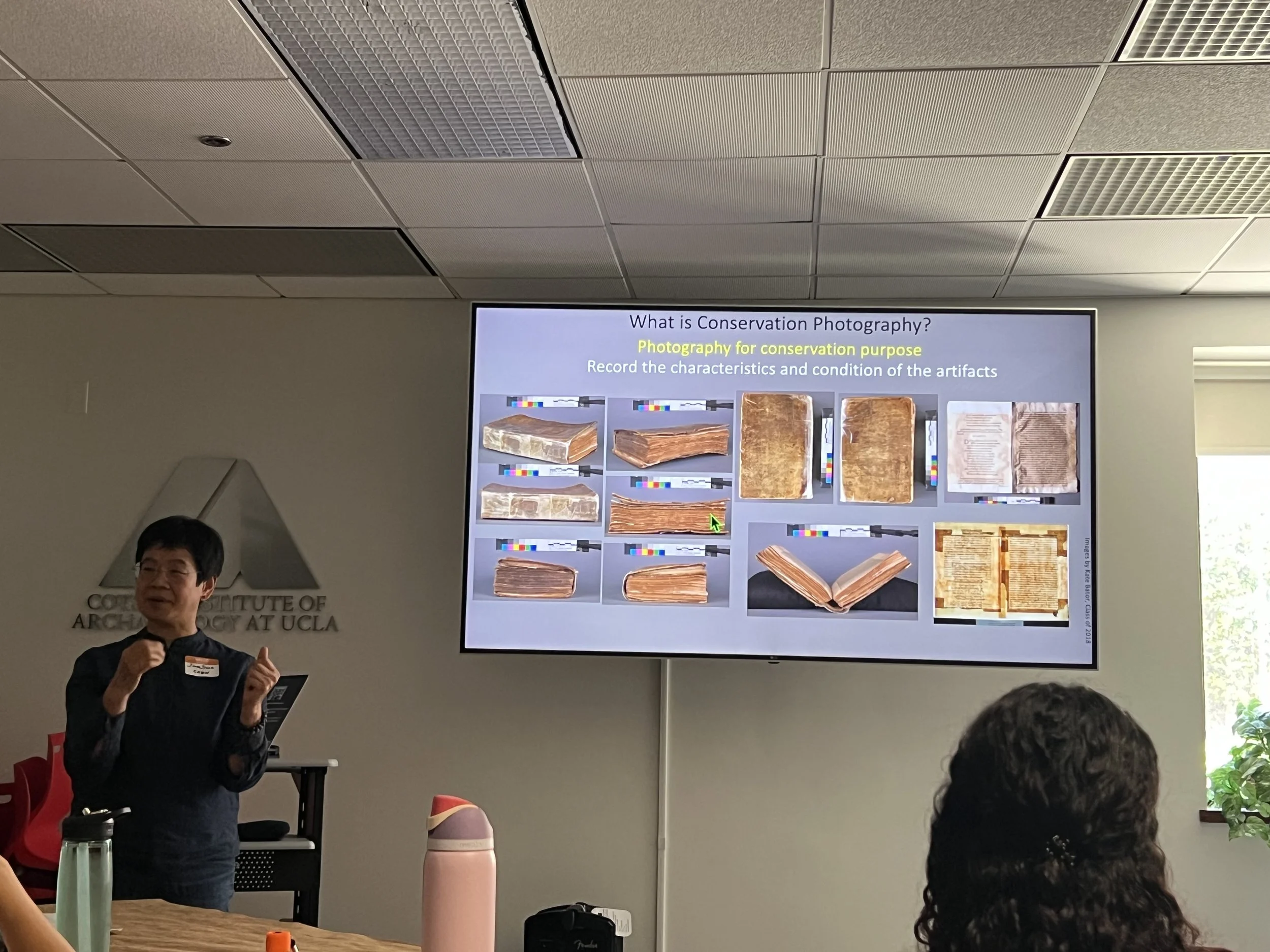
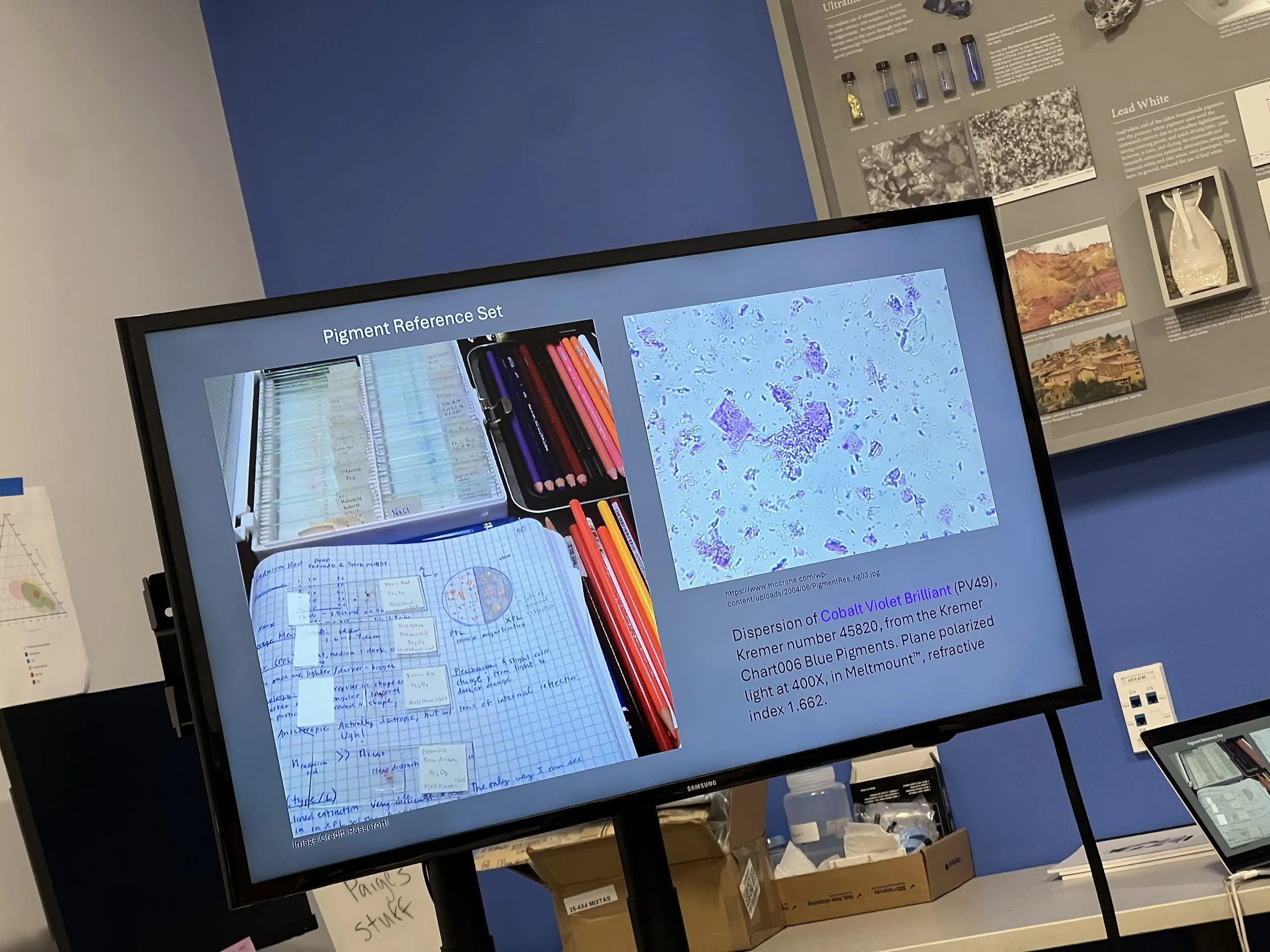
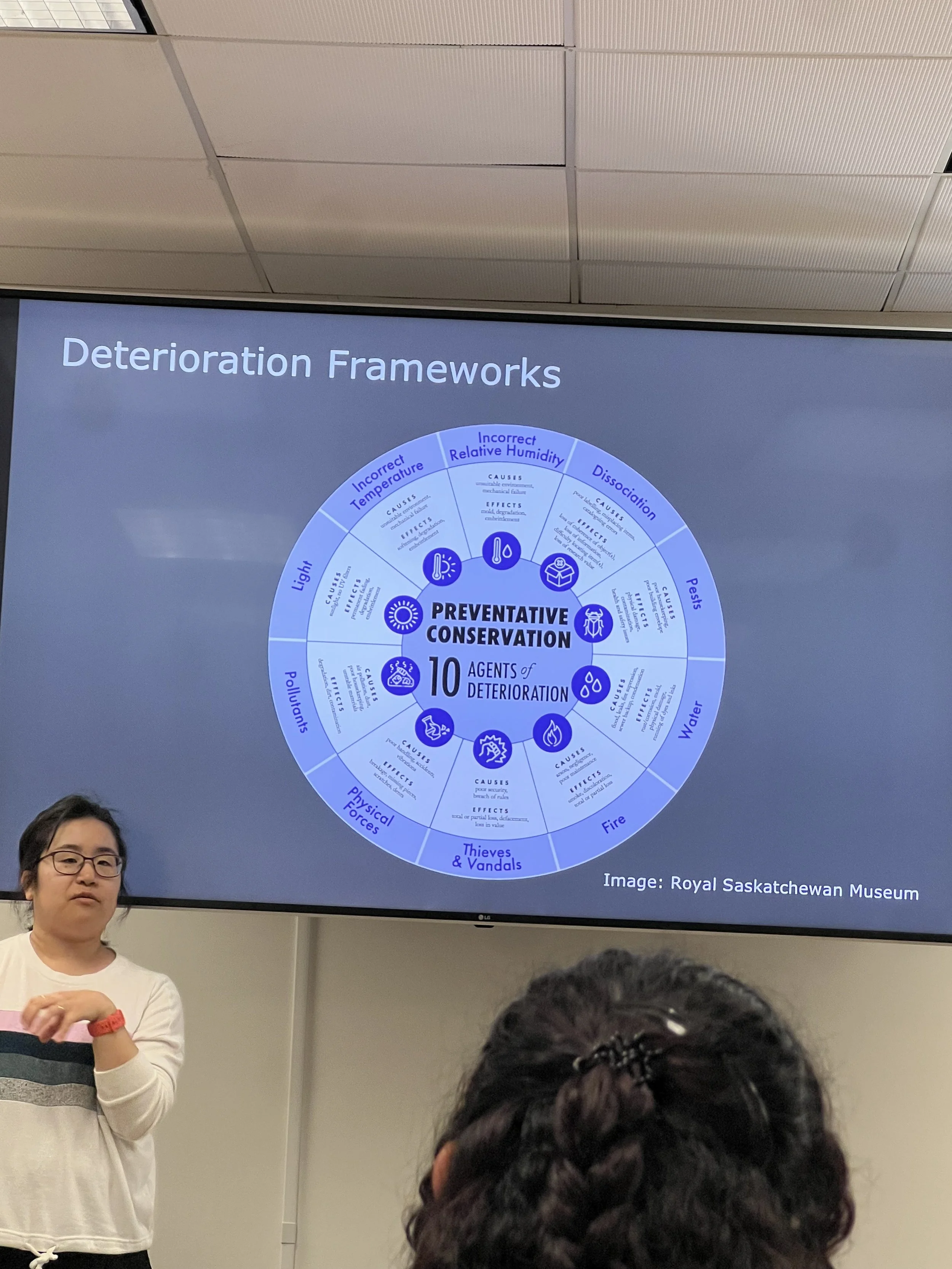
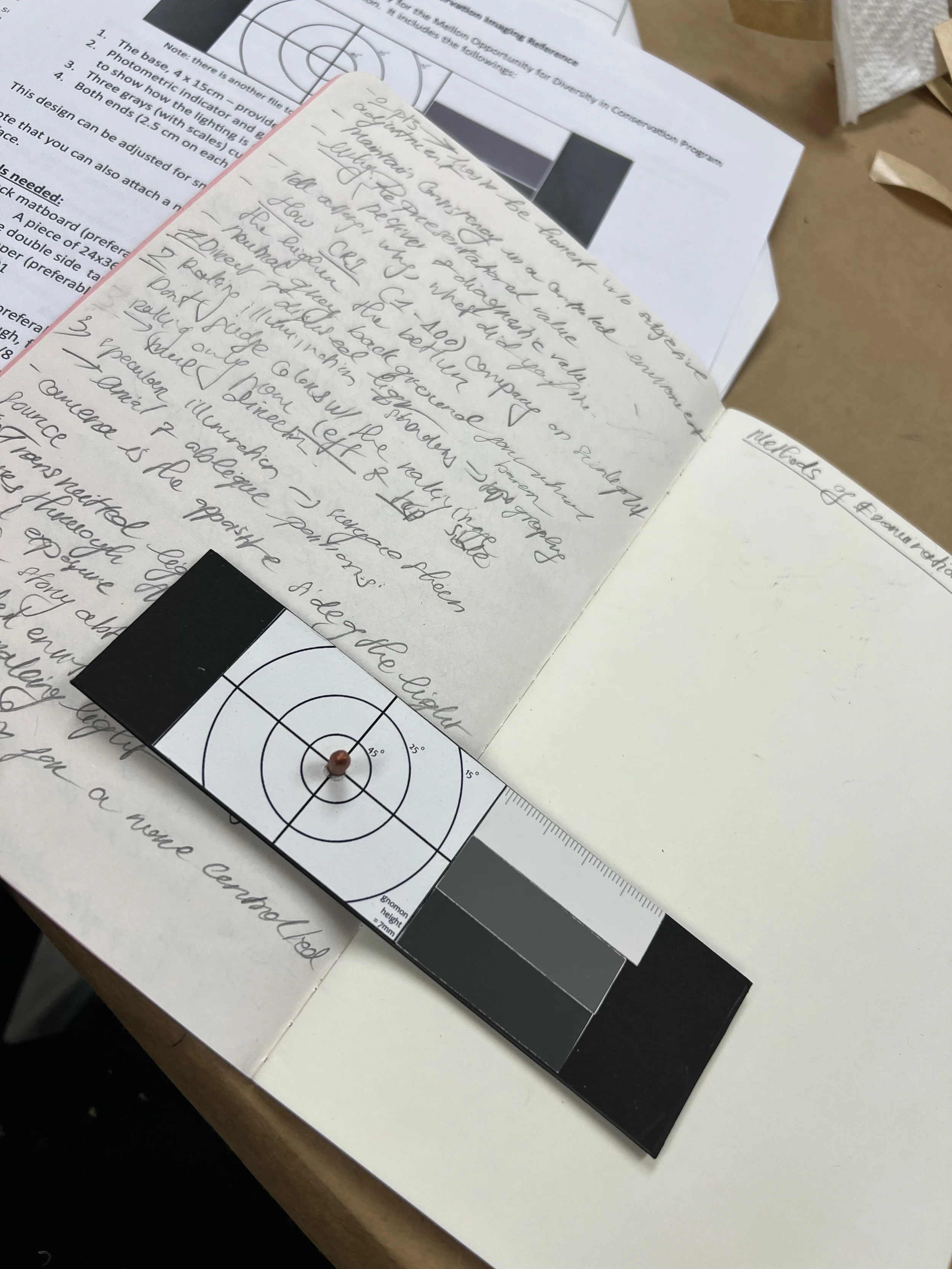
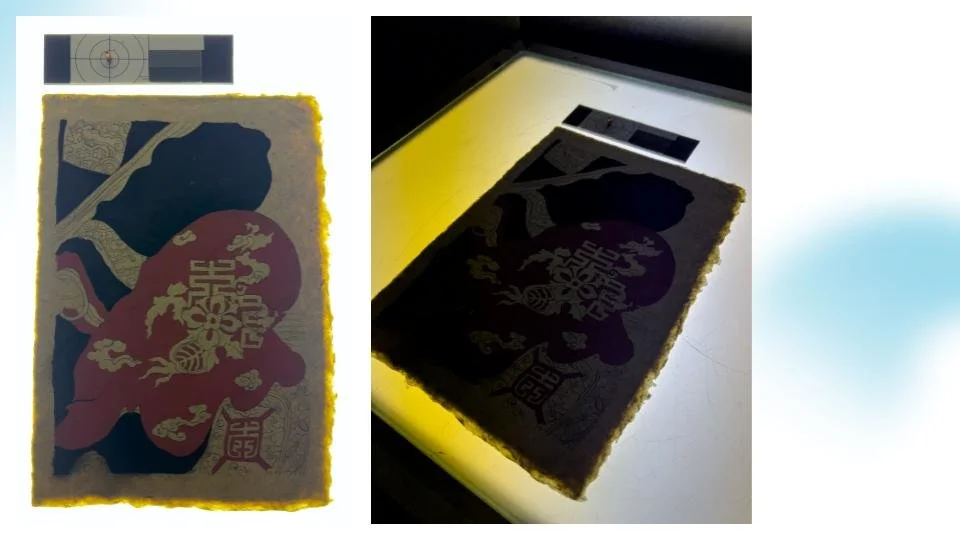
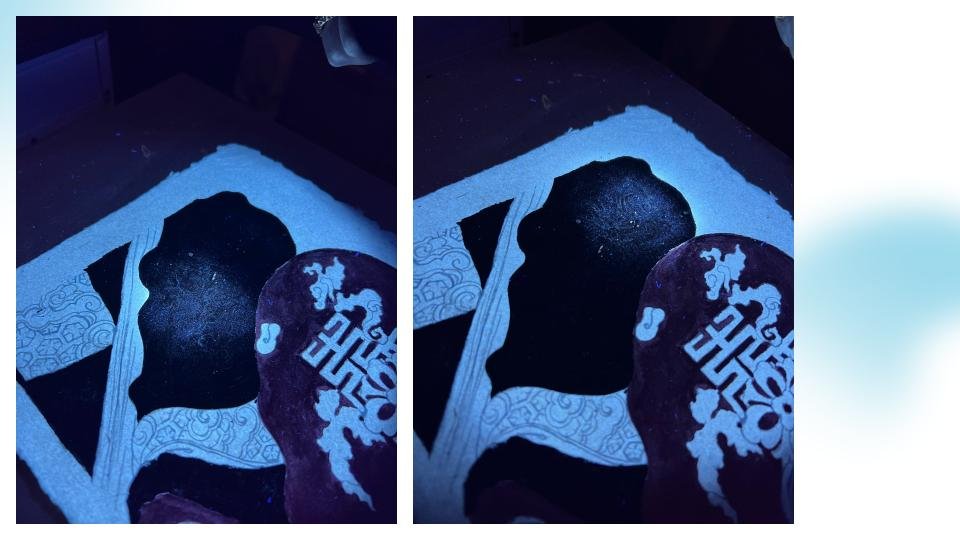
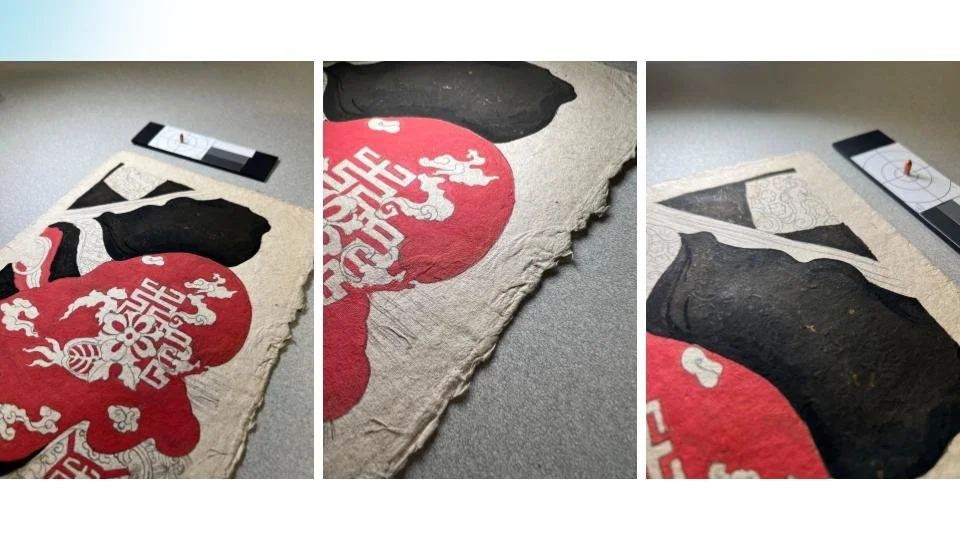
Selected lectures about conservation ethics and professional values; fundamentals of examination and writing museum-standard condition reports; photo documentation workflows and controlled lighting (normal illumination, raking light, etc.); methods of technical examination (microscopy, ultraviolet light, X-radiography); diversity and underrepresentation in conservation and museums; personal pathways into conservation careers; introductions to book, paper, and archival conservation; applying to graduate school and internships in the US; cleaning principles and decision-making; loss compensation concepts and ethical limits; preventive conservation strategies; Native voices in curatorial and conservation work; preservation in times of peril; community-centered textile collections (Oaxaca, Mexico); material identification basics; and repatriation work from inside and outside the museum.
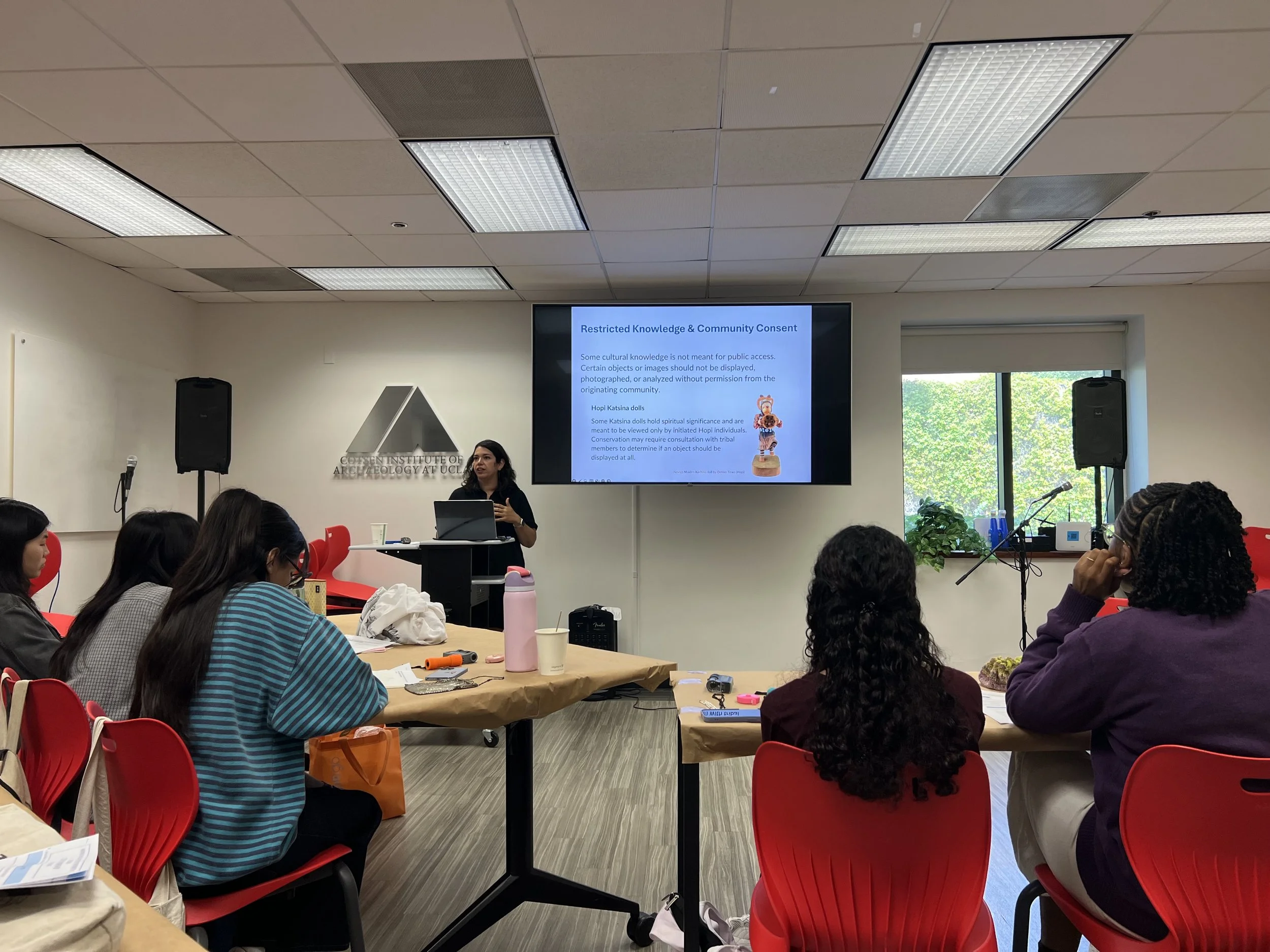
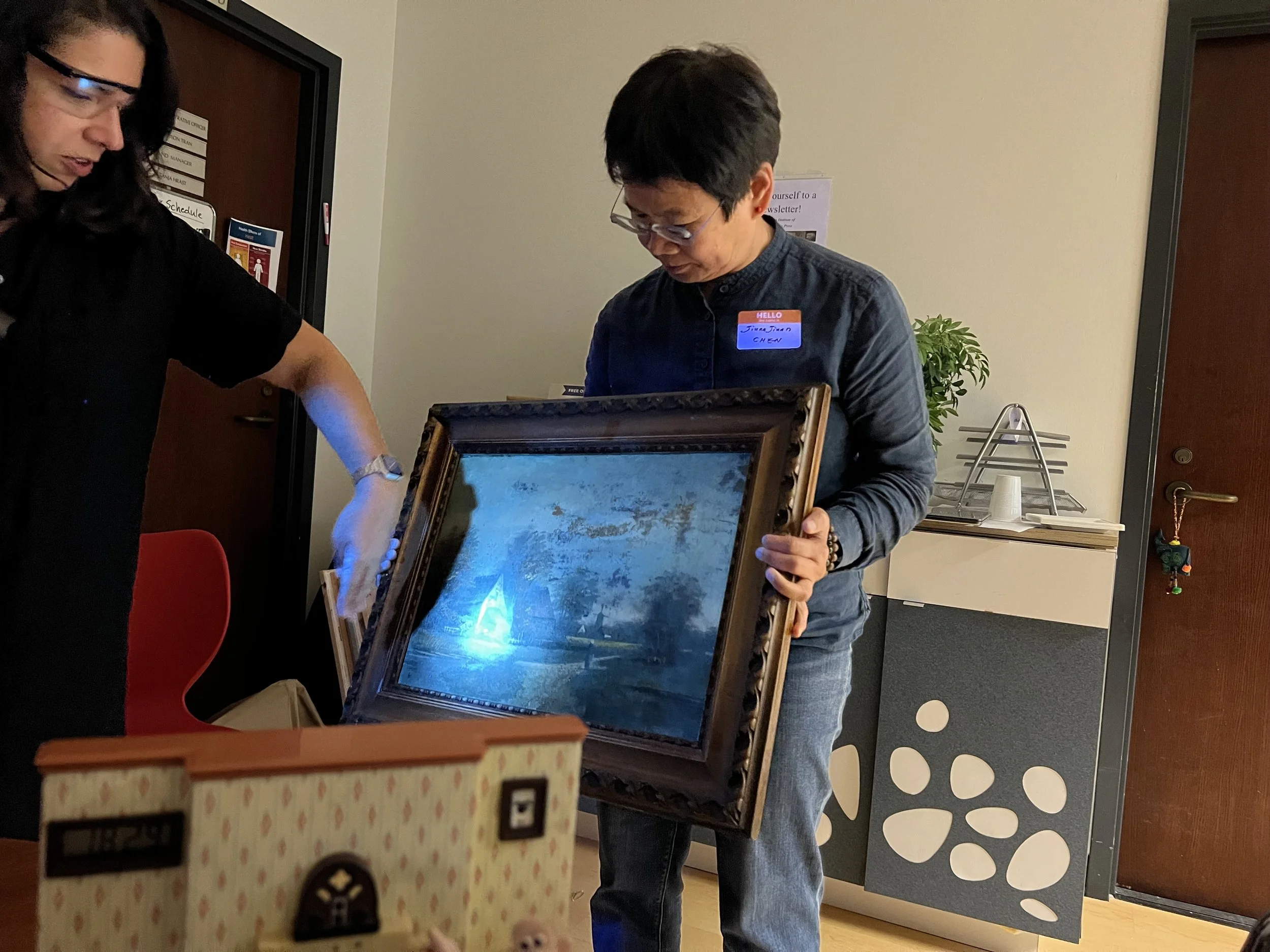
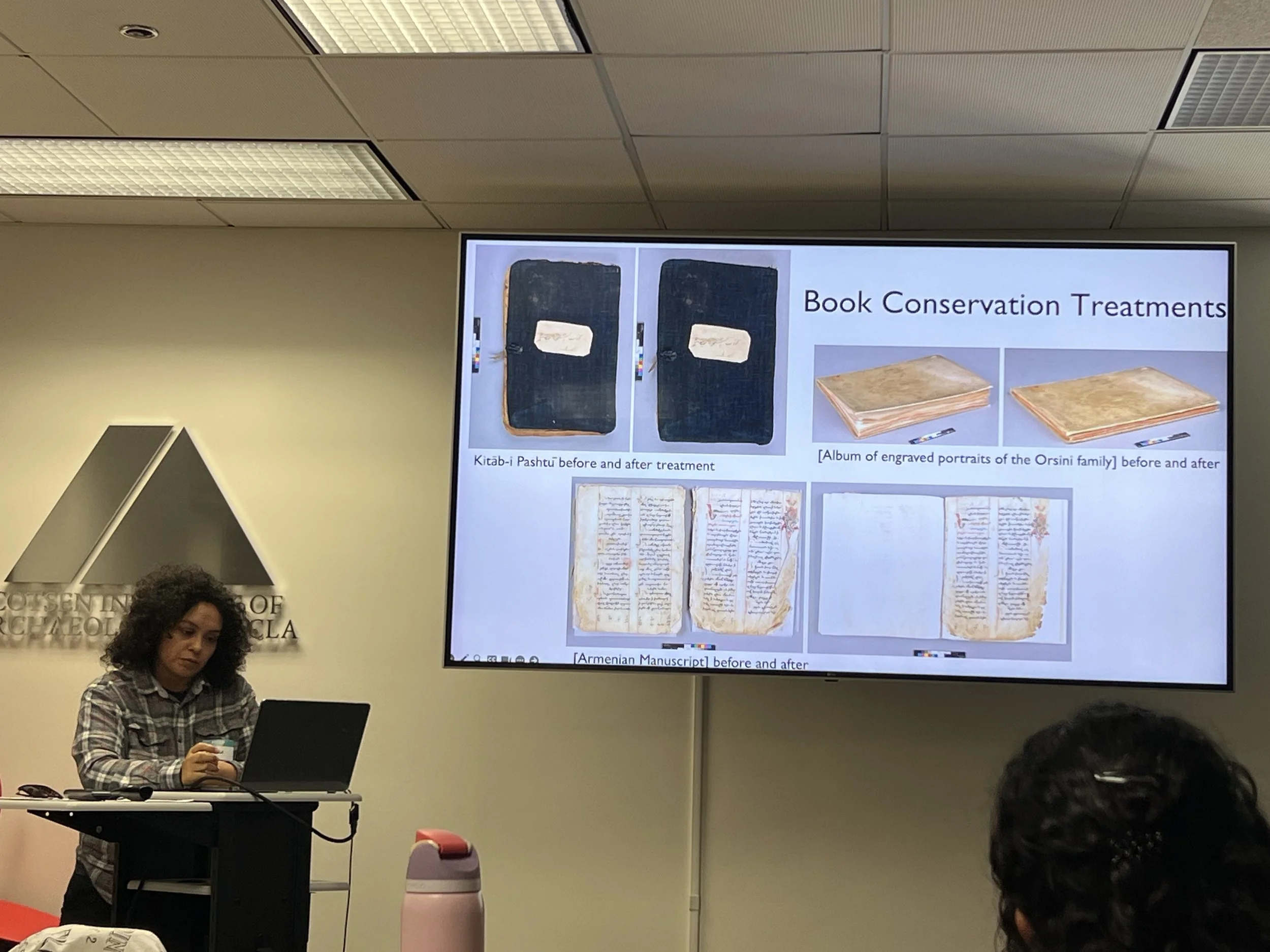
HAND SKILLS + TREATMENT METHODS
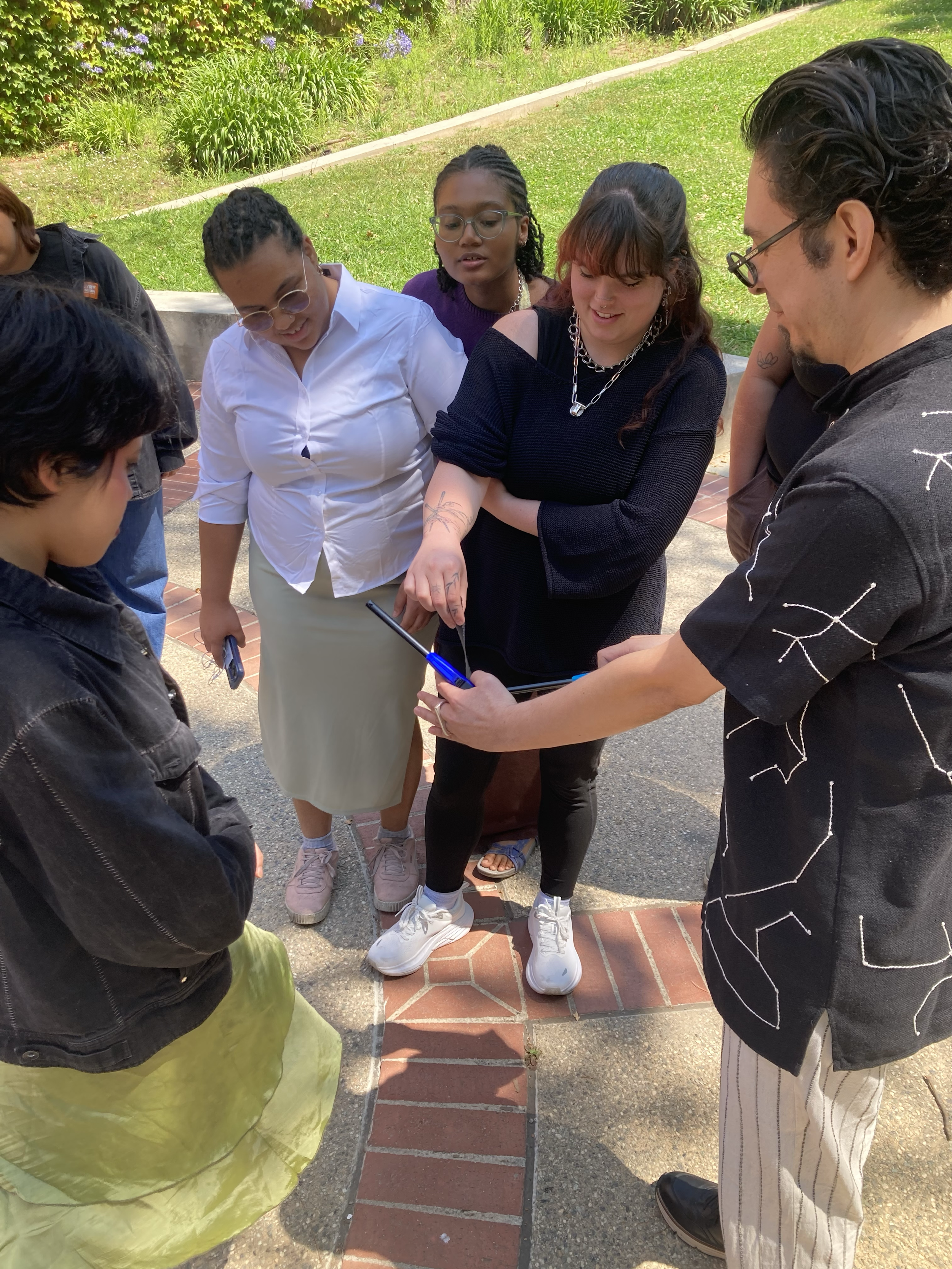
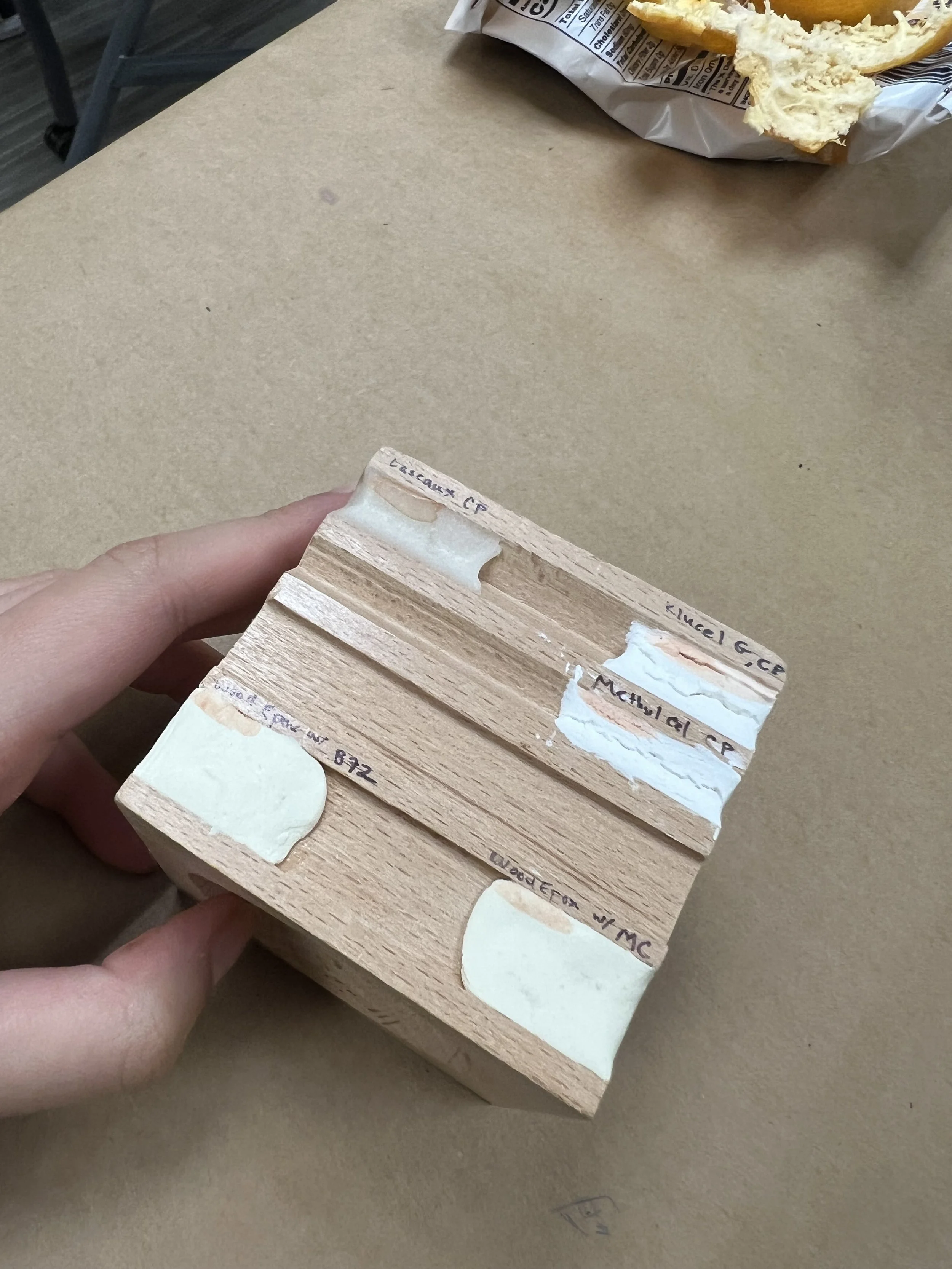
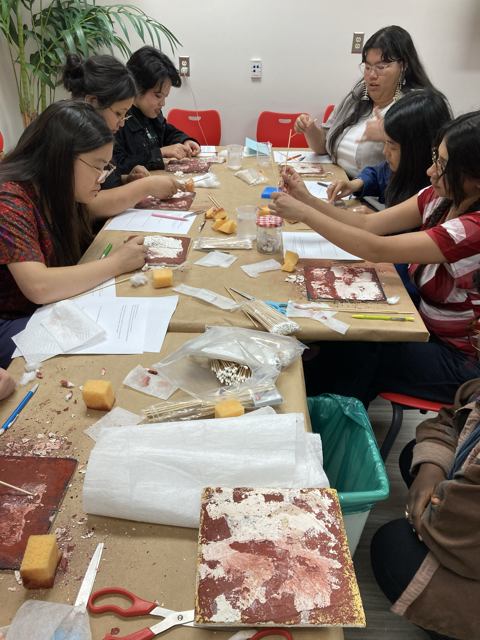
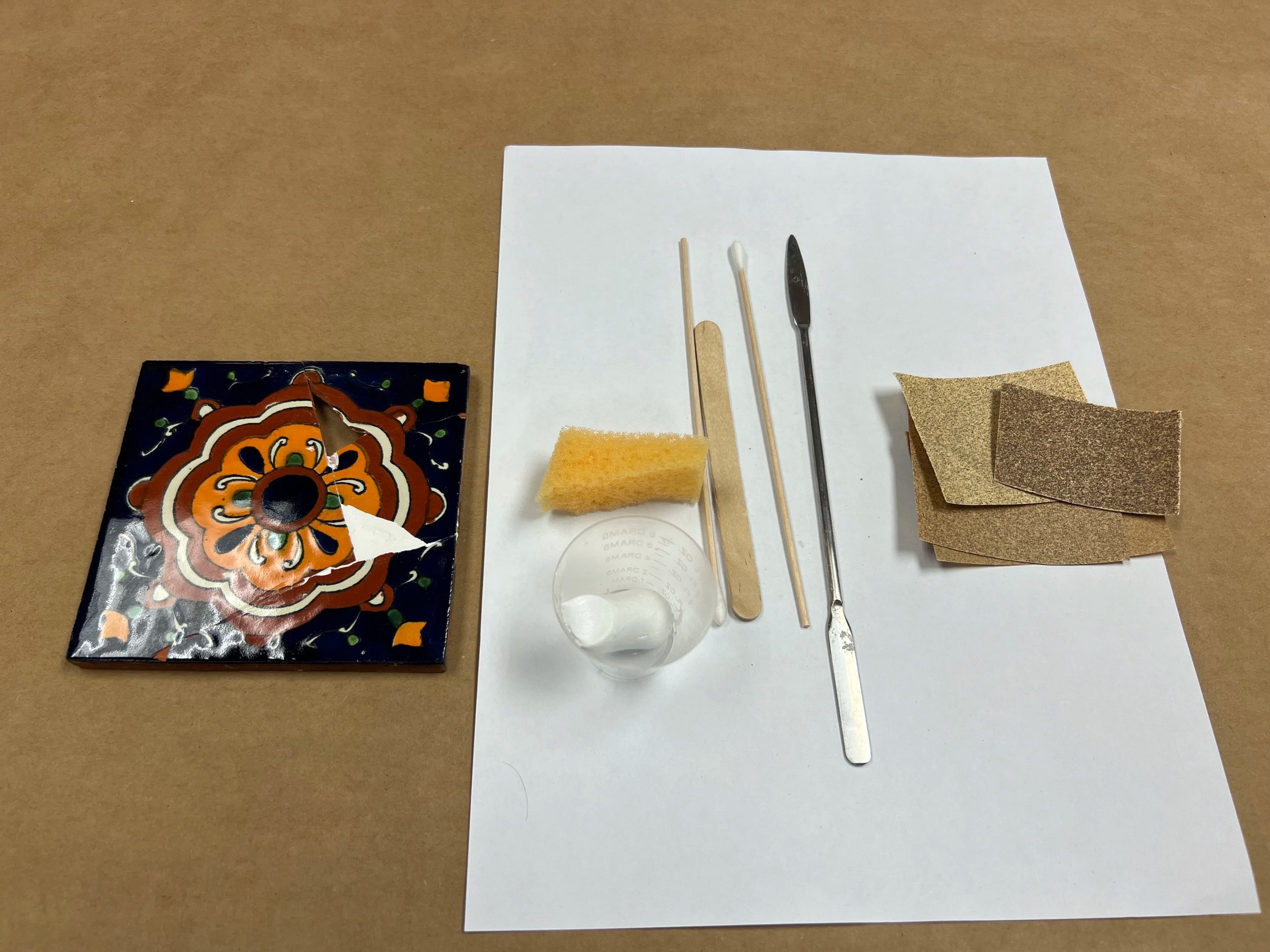
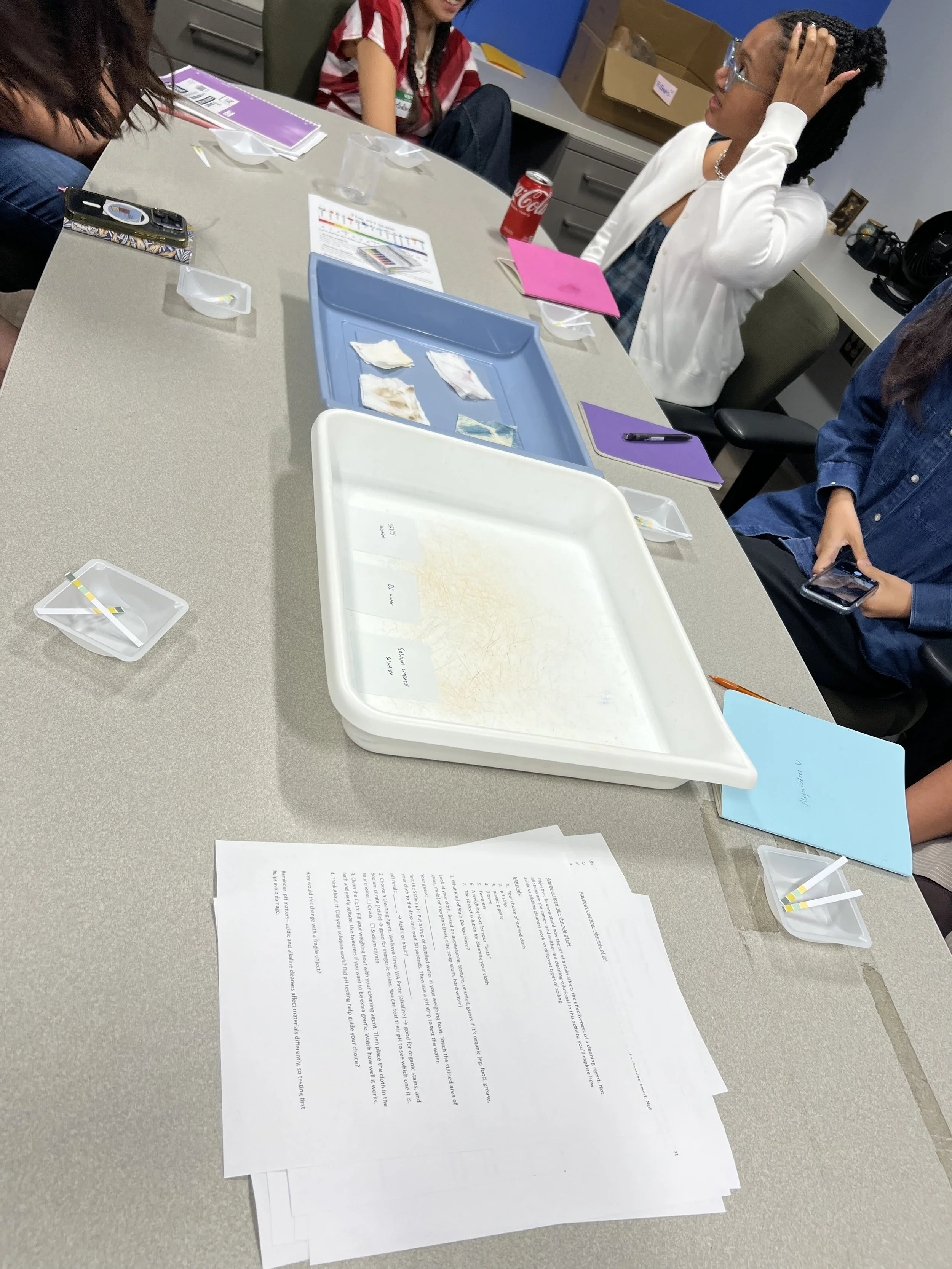
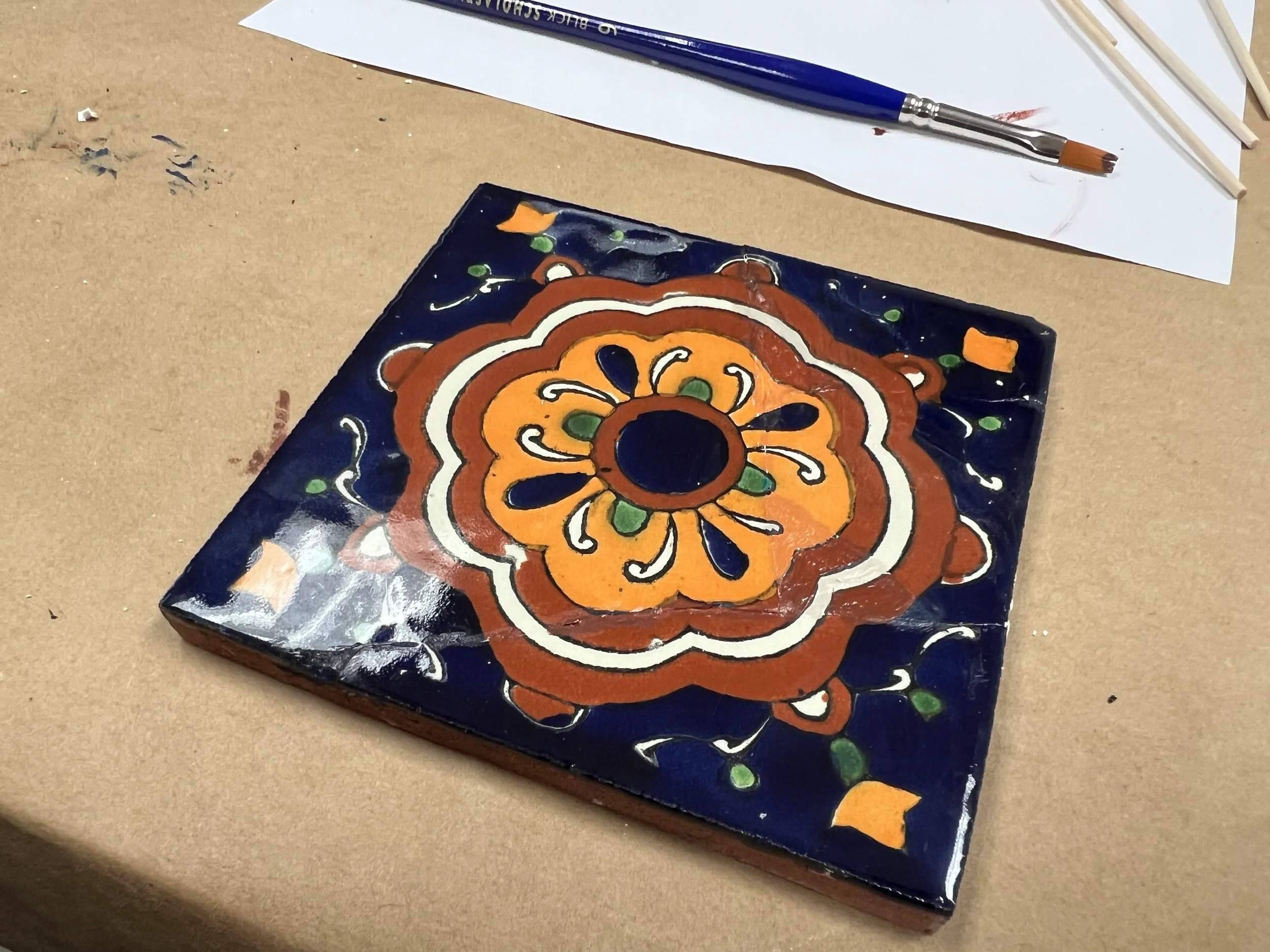
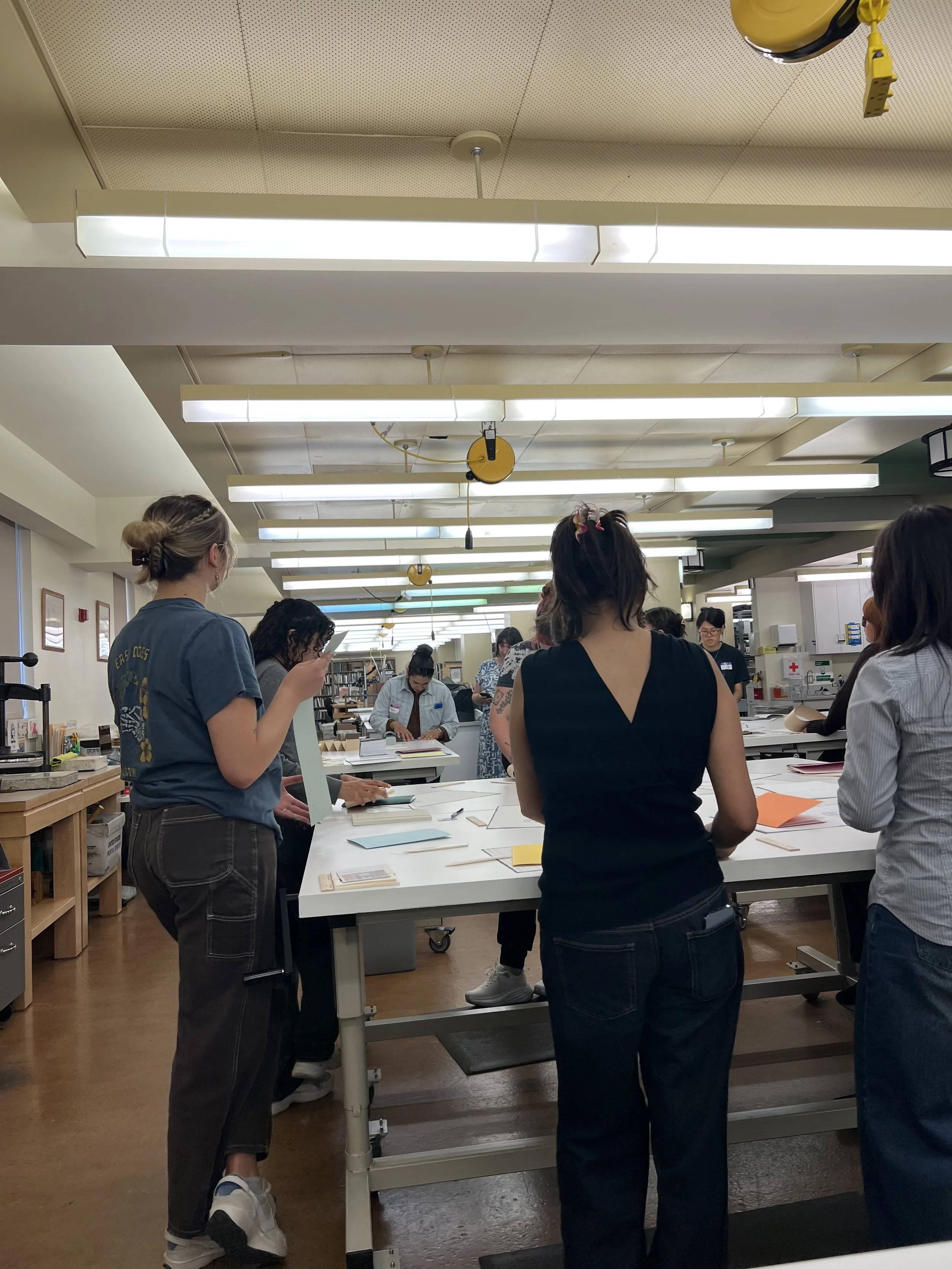
Hand skills and treatment methods practiced included safe object handling; structured object examination and documentation; collaborative condition report writing; photographic documentation set-up and image capture using multiple lighting geometries (normal, raking, etc.); hands-on technical examination using microscopy, UV illumination, and X-radiography (rotation-based practice); open-lab work applying the above tools to a personal or selected object for a final presentation; paper/book/archival conservation lab activity during the UCLA library conservation visit (paper conservation activity in a lab setting); practical cleaning exercises (rotation-based, following a presented workflow); loss compensation activity (group exercise focused on compensation approach and execution); preventive conservation activity (risk-aware storage, handling, and environmental framing); and material identification activity (hands-on identification approach guided by conservation context).
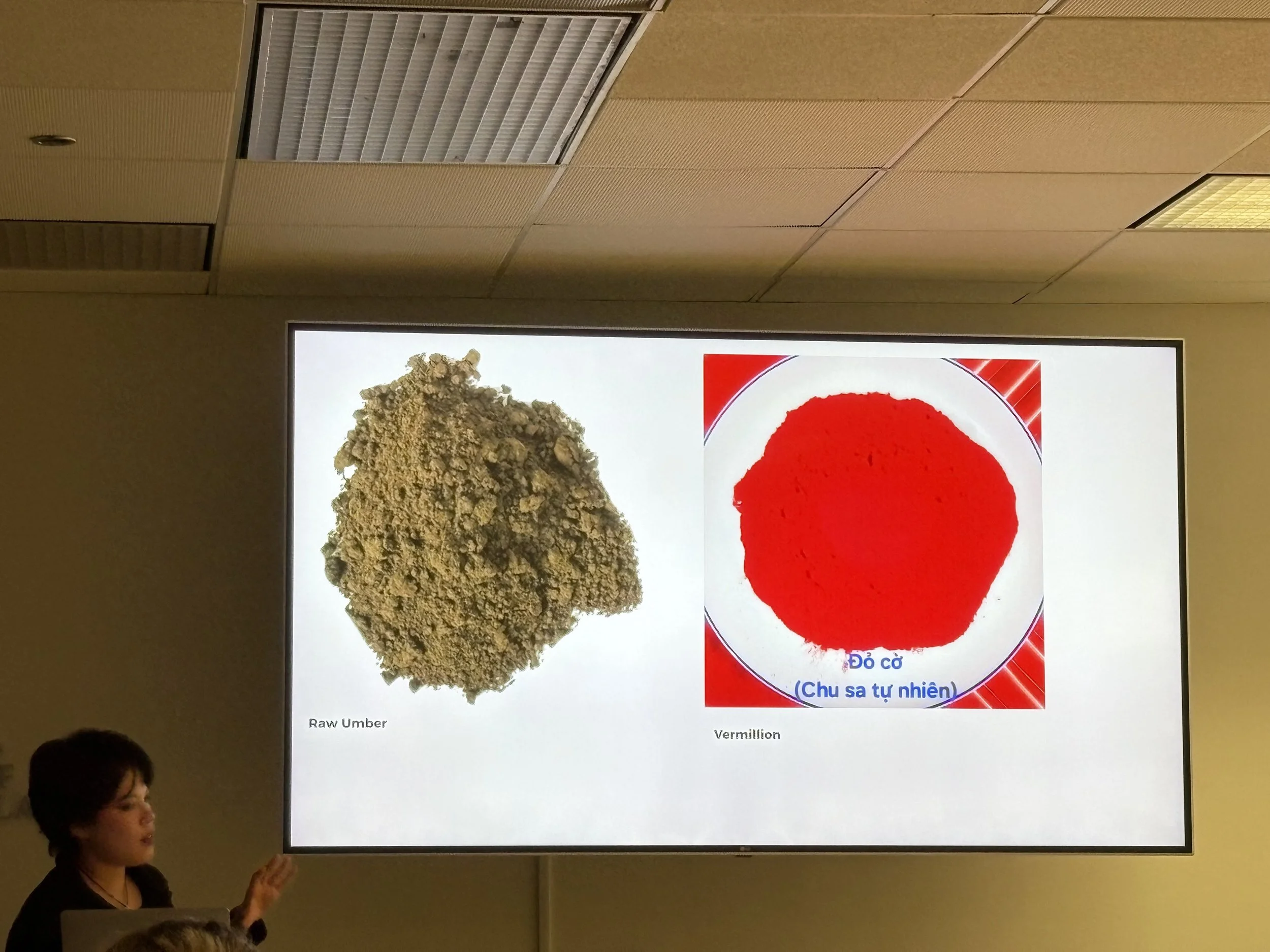
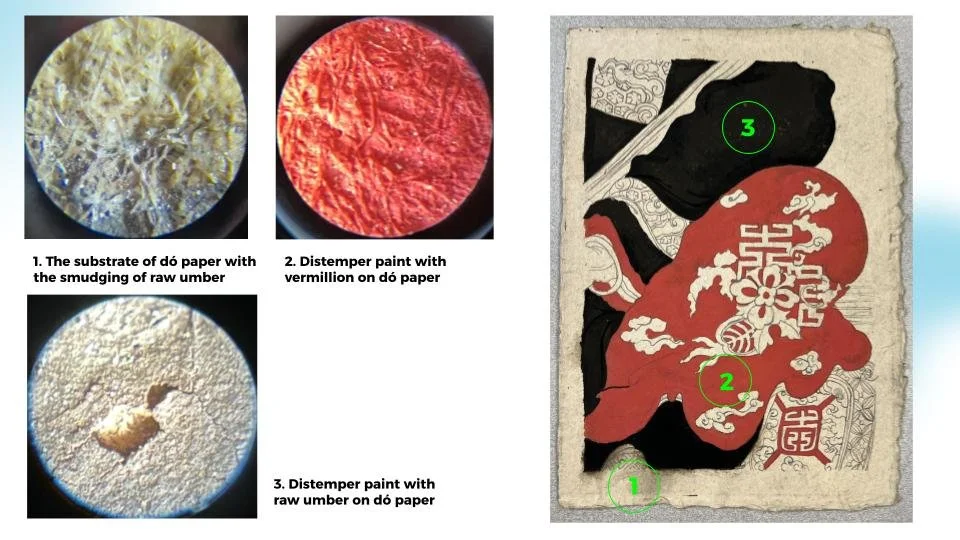
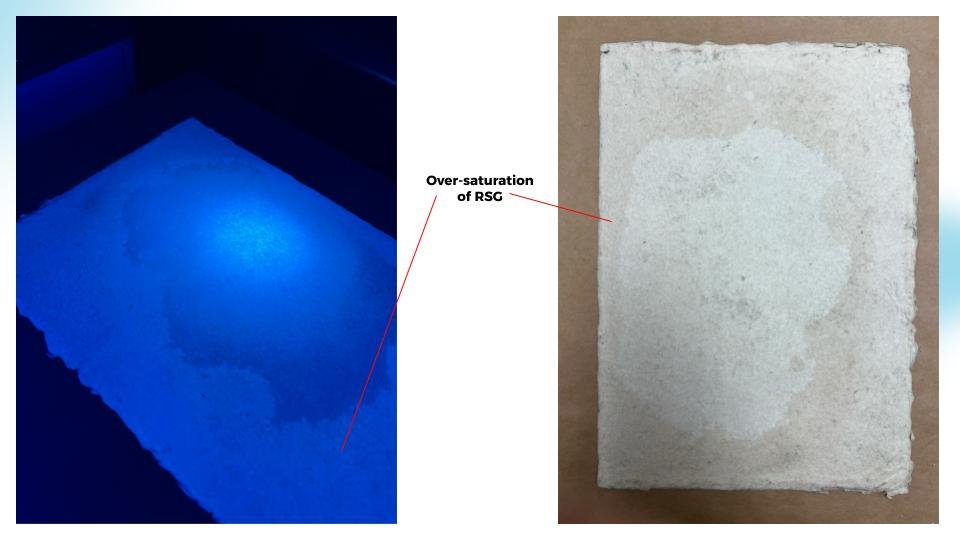
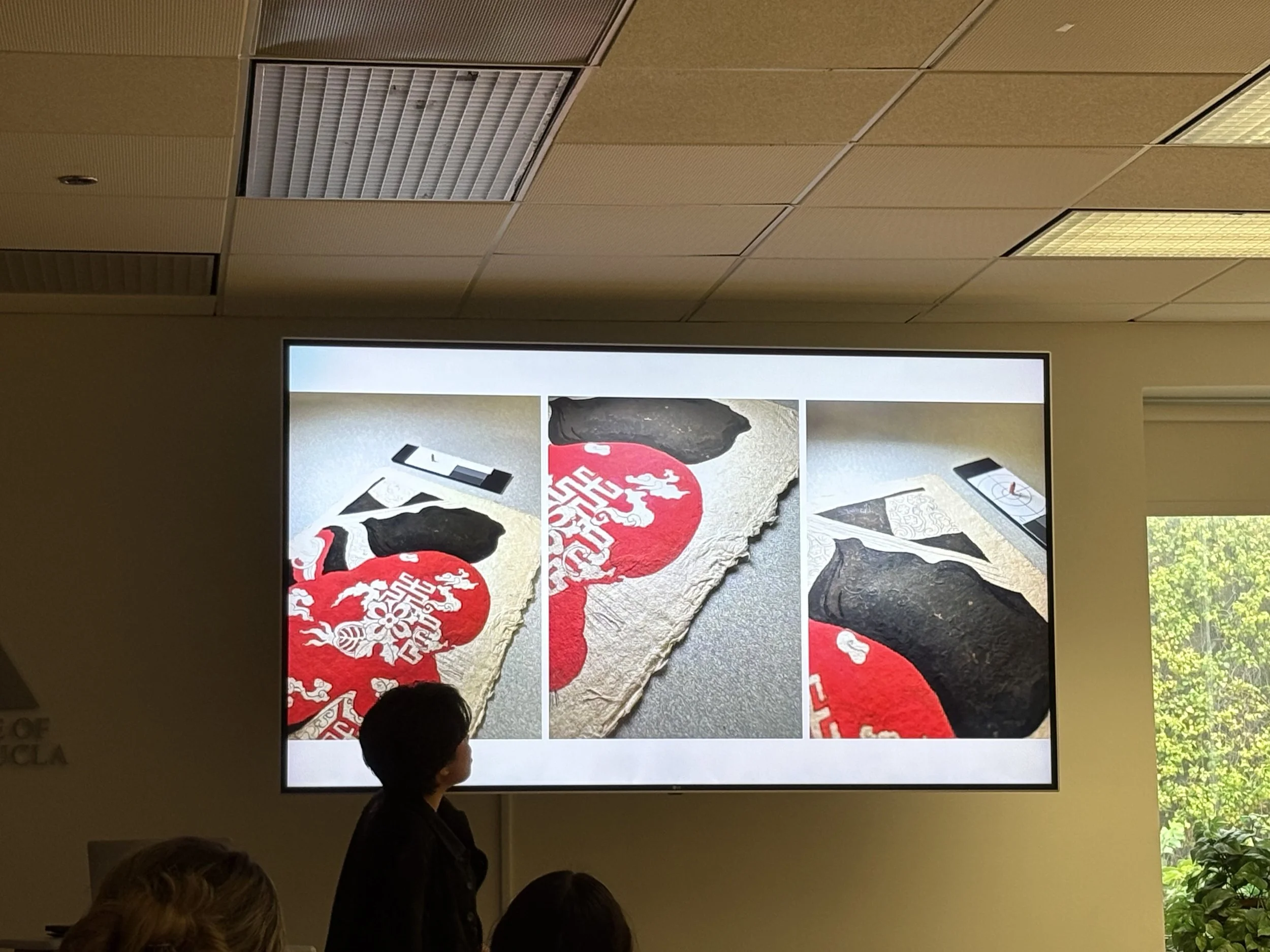
PRESENTATION ABOUT PERSONAL OBJECT THROUGH A CONSERVATION PERSPECTIVE
Acknowledgement
I want to extend my gratitude to Andrew W. Mellon Opportunity for Diversity in Conservation and the UCLA/Getty Interdepartmental Program in the Conservation of Cultural Heritage for making the 2025 Summer Workshop possible. I am grateful for the access to museum-standard training and for a week that treated conservation as both a technical discipline and a responsibility to communities.
I especially thank Bianca Garcia, Nicole Passerotti, Ellen Pearlstein, Lisa Imamura, and Jasmine Keegan for their supervision, clarity, and generosity throughout the workshop. I also appreciate all lecturers, instructors, and staff who shared their expertise with us.
Finally, thank you to my fellow participants for the support, feedback, and collaborative energy that made the week feel rigorous but never isolating. Thanks for making my Summer 2025 so memorable!